Every lasting place is built one thoughtful step at a time.
From the beginning, Tremont’s second campus has been envisioned as a place where people of all ages can gather, learn, stay overnight, and discover deeper connections with the natural world. The master plan reflects that long-term vision, with residential lodging, dining facilities, indoor and outdoor learning spaces, staff housing, administrative buildings, and infrastructure designed to meet the rigorous standards of the Living Building Challenge.
As the project has advanced through design, fundraising, and conversations with partners, we’ve refined the first phase of development to create the greatest impact while establishing the foundation for future growth. We’ll begin with the campus’s most versatile and essential element: a learning center and the infrastructure that will support every phase to come.
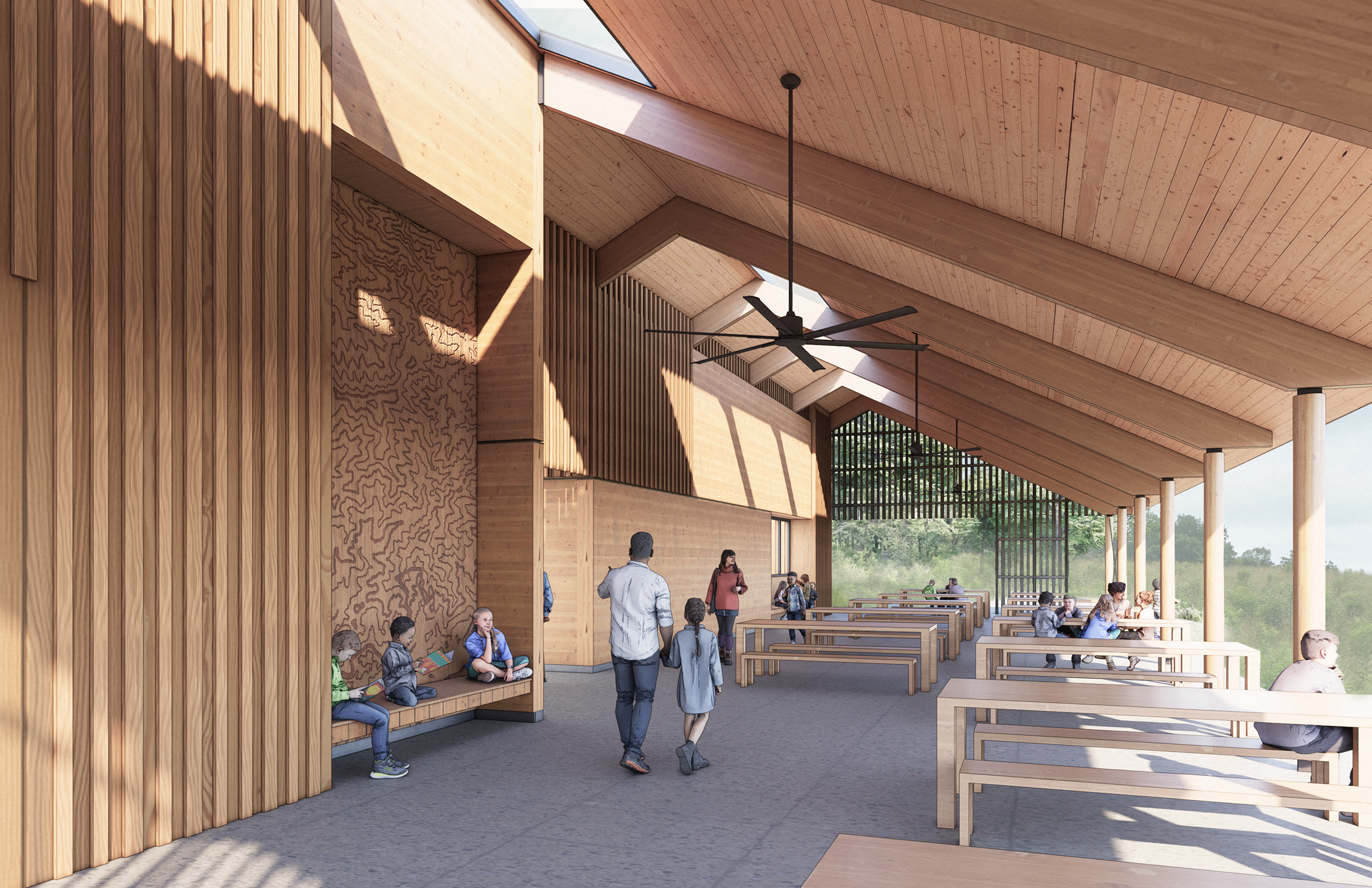
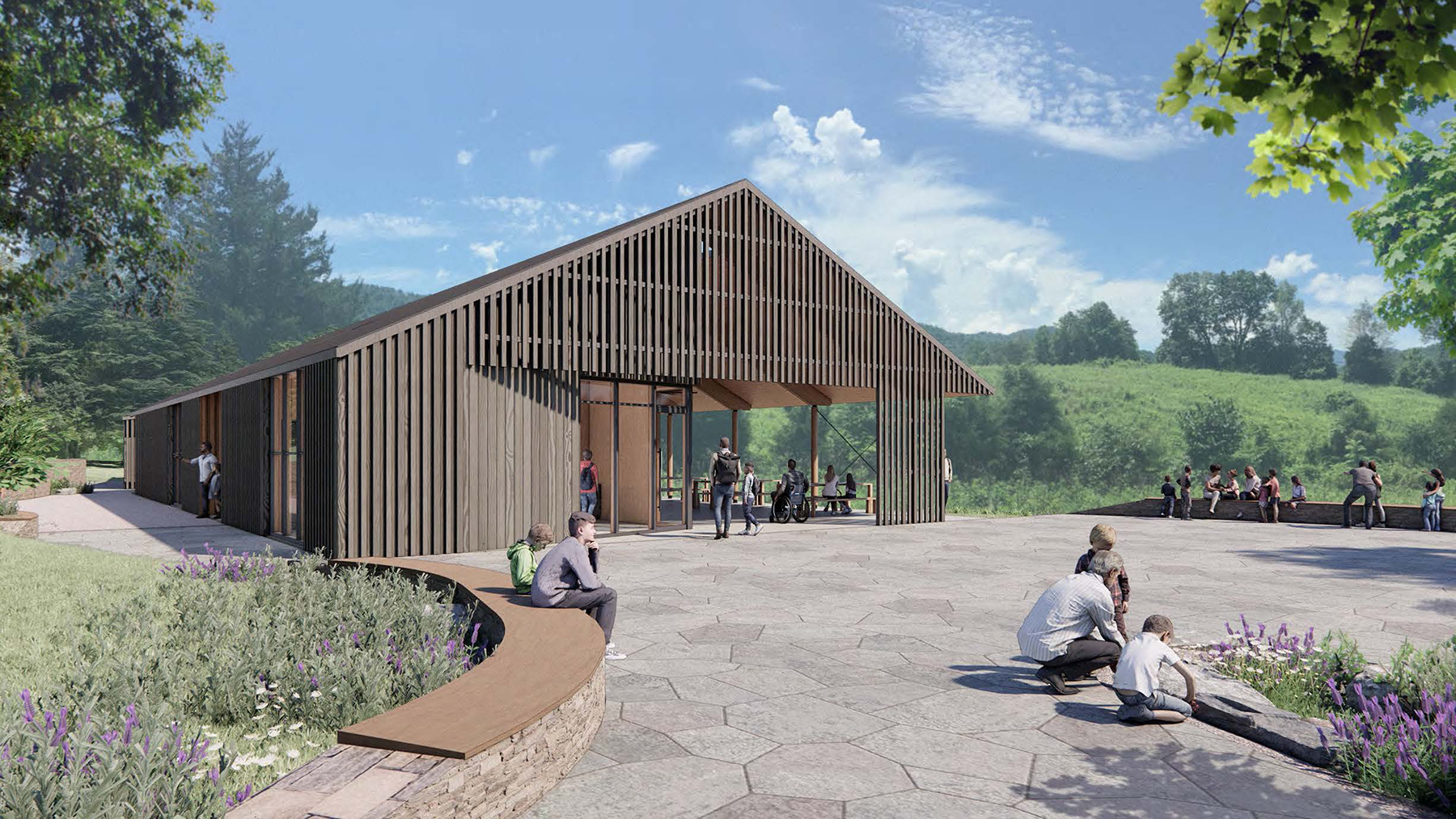
The learning center will become the heart of early campus life – a welcoming, flexible gathering place for school groups, teacher workshops, community events, conservation programs, and outdoor learning experiences. The building will include open-air and enclosed classroom space, restrooms, storage, and a prep kitchen that supports a wide variety of educational and community programming.
Just as importantly, this first phase establishes the systems that make the future campus possible. Water, wastewater, energy, site access, and other critical infrastructure will be installed from the outset, ensuring that future buildings can be added efficiently as the campus continues to grow.
Residential lodging and a full dining hall remain central to Tremont’s long-term master plan and will be developed in future phases. By beginning with the learning center, we can welcome people to the site sooner, expand programming, and build momentum while continuing to advance the broader campus vision.
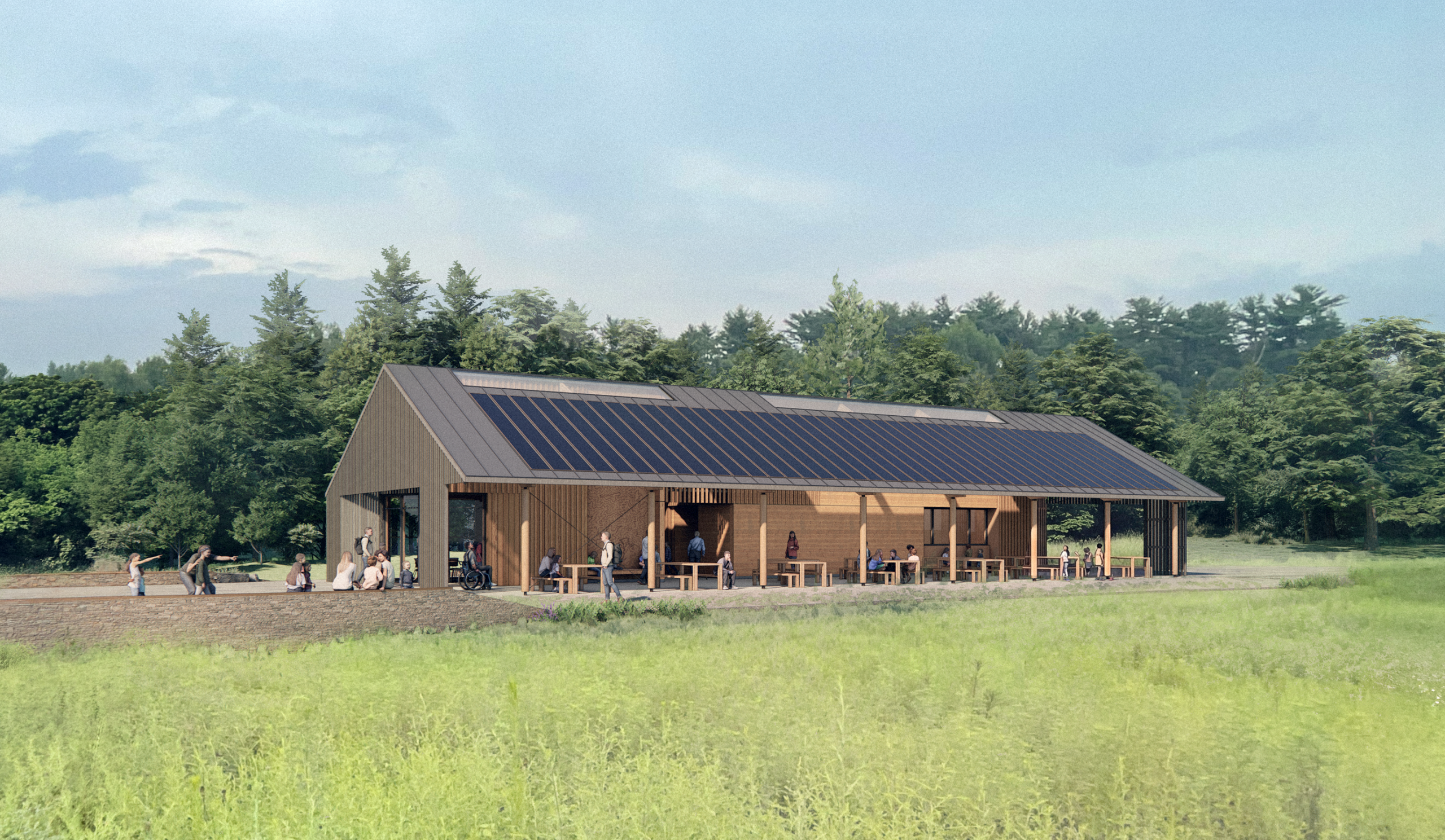
In many ways, the second campus is already fulfilling its purpose.
The property is already home to seasonal adult programs, agroforestry and food production, community science initiatives, and stewardship activities. These early uses are helping us learn from the land, strengthen partnerships, and shape the experiences this campus will ultimately provide. The learning center will give this growing work a permanent home while creating new opportunities for learning, collaboration, wellbeing, and community connection.
The project has also reached an important milestone by completing design development for the overall campus master plan. This work has refined the campus layout, building relationships, major systems, and long-term vision, providing a clear roadmap for future development. The next step is preparing construction documents for the center – the detailed plans that move the project from vision to reality through permitting, pricing, and construction.
Throughout this process, Tremont remains committed to one of the project’s defining aspirations: pursuing the Living Building Challenge. The learning center and its supporting infrastructure are being designed with regenerative principles at their core, demonstrating how buildings can generate energy, steward water, reduce environmental impact, and strengthen the relationship between people and the places they inhabit.
The second campus has always been about more than buildings. It’s about creating a place where people can connect – with nature, with one another, and with ideas that inspire stewardship for generations to come.
This first phase makes that vision tangible. It creates a place where learning can begin today while laying the groundwork for everything still to come. We’re opening the door one meaningful step at a time, building a place that will grow alongside the community it is meant to serve.


About the Author

Erin Rosolina is the Great Smoky Mountains Institute at Tremont’s Marketing Director. She grew up in the mountains of western North Carolina where trillium, bloodroot and galax were everyday friends. Erin earned a degree in sustainable community development from Berea College in Kentucky, and then went on to receive the Compton Mentor Fellowship. Erin has worked in marketing with regional and national nonprofit organizations for over a decade and has been at Tremont since 2021.