As we progressed through and completed the initial design phase (schematic design) of the second campus project, there were a few significant missing pieces we knew we would need to address early on in the next design phase (design development). One of those was the ability of the site to support geothermal heating and cooling systems throughout the campus and at what approximate cost.
Geothermal heat pumps use the earth’s constant temperature to heat or cool a building (or, in our case, multiple buildings.) By running a closed loop of water through a pipe system in the ground, buildings can efficiently maintain a comfortable, constant temperature using renewable resources – a clean and sustainable option for our Living Buildings.
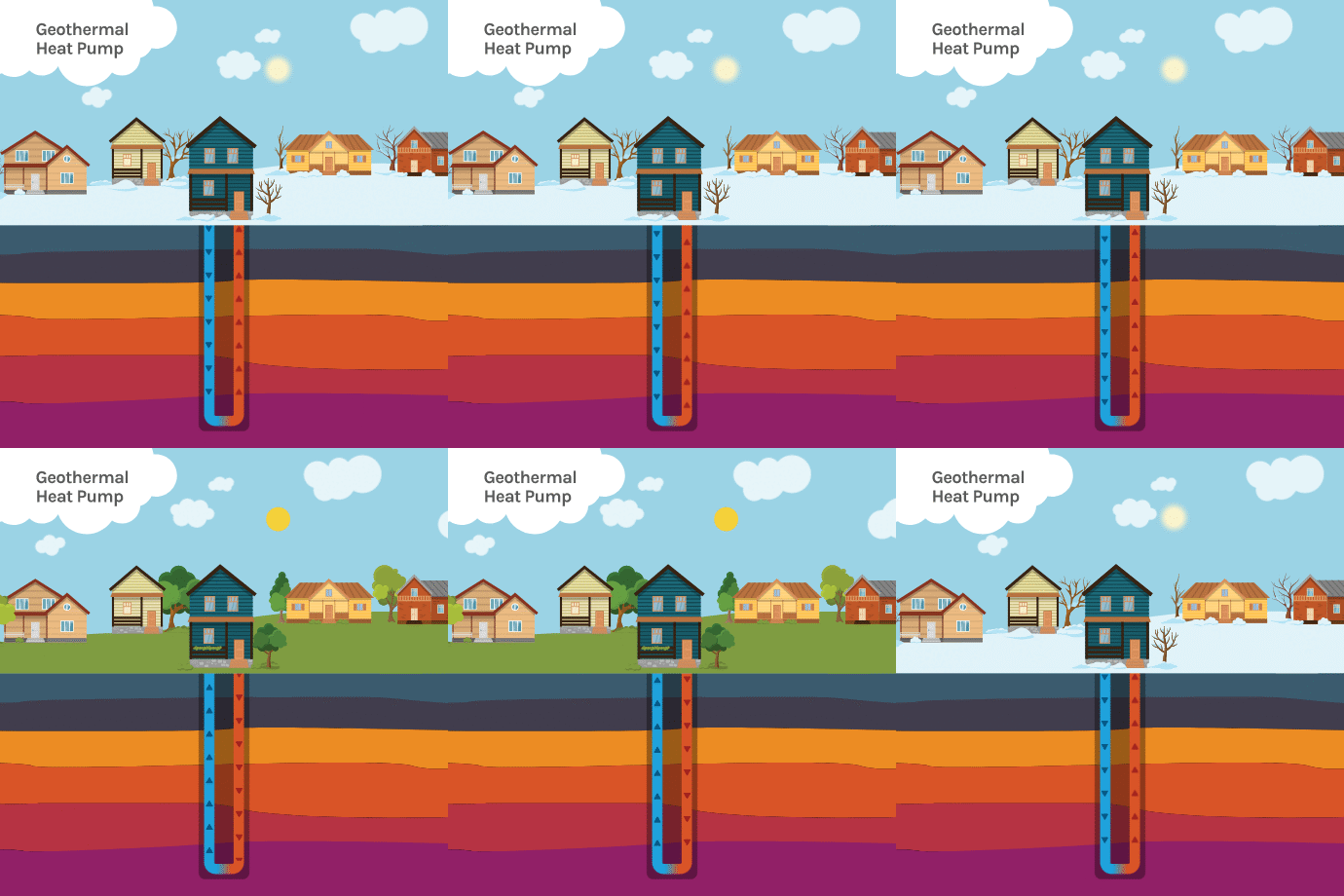
Image from energy.gov.
Depending on the soil type and geology in a specific location, the ground might not provide enough heat transfer for optimal geothermal performance. With topography and varying soil conditions throughout east Tennessee, there was no reliable method to evaluate if this was an option for our second campus without installing a geothermal test well.
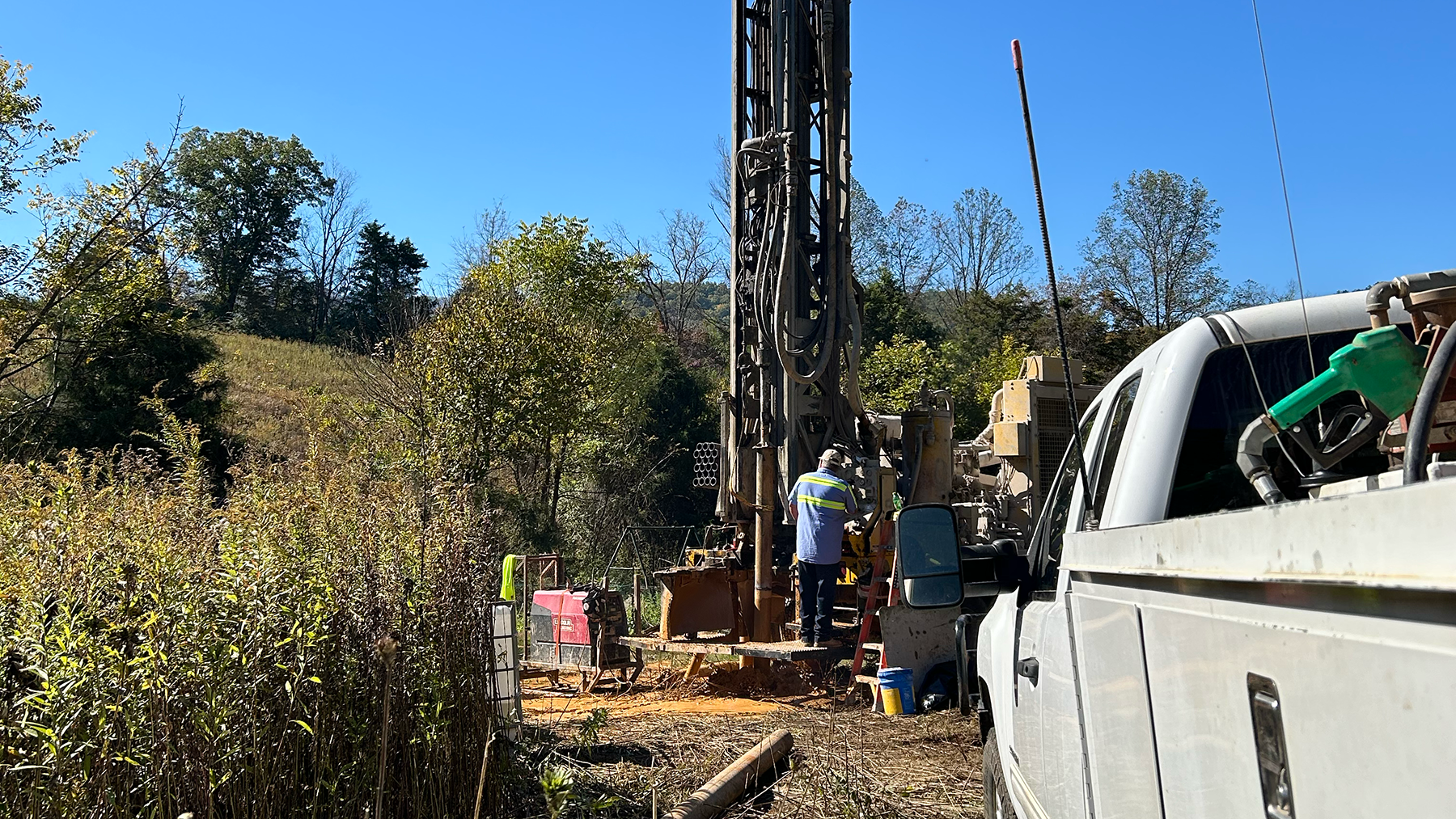
We brought on Mid-State Construction, a geothermal system contractor, to install a test well, gather data, and provide us feedback on the necessary scope and scale of a geothermal field to support the campus.
Mid-State ultimately drilled a 300-foot deep well and installed steel casing, a water loop, and “grout” to hold it in place.

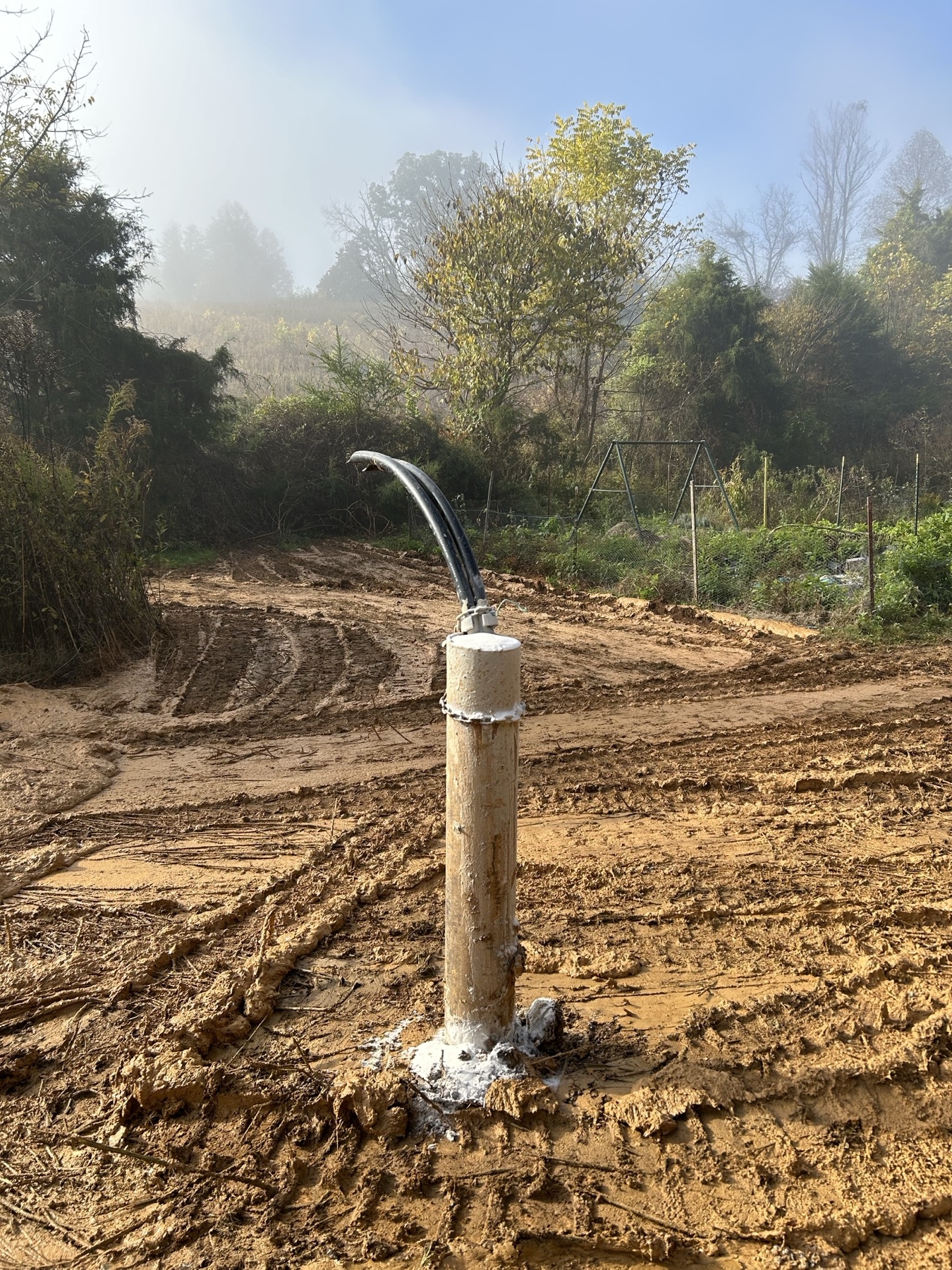


With the test loop in place, they added a pump, heater, and data collection unit to the loop. That system ran and data was collected for 48 hours. The key data points were incoming and outgoing water temperature, providing information on the ability of the surrounding soil to extract and dissipate heat. Within a minute of turning the system on, the ambient loop water temperature of ~ 71 degrees had fallen to ~ 58 degrees!
The data analysis has been positive for potentially including geothermal systems in the campus design. The collected data will be used with additional inputs to loop-field design software to determine the required loop length and quantity of wells to support the new campus.
Related Living Building Challenge Petals

About the Author

Pete Crowley is the Director of Operations at Great Smoky Mountains Institute at Tremont. Pete holds an undergraduate degree in Industrial Education and Technology from Murray State University and a Master’s Degree in Planning with concentrations in land-use and educational facilities planning from the University of Tennessee. He worked in local government and non-profits, and had a 21+ year career in facility management, operations, and property development in the private sector.